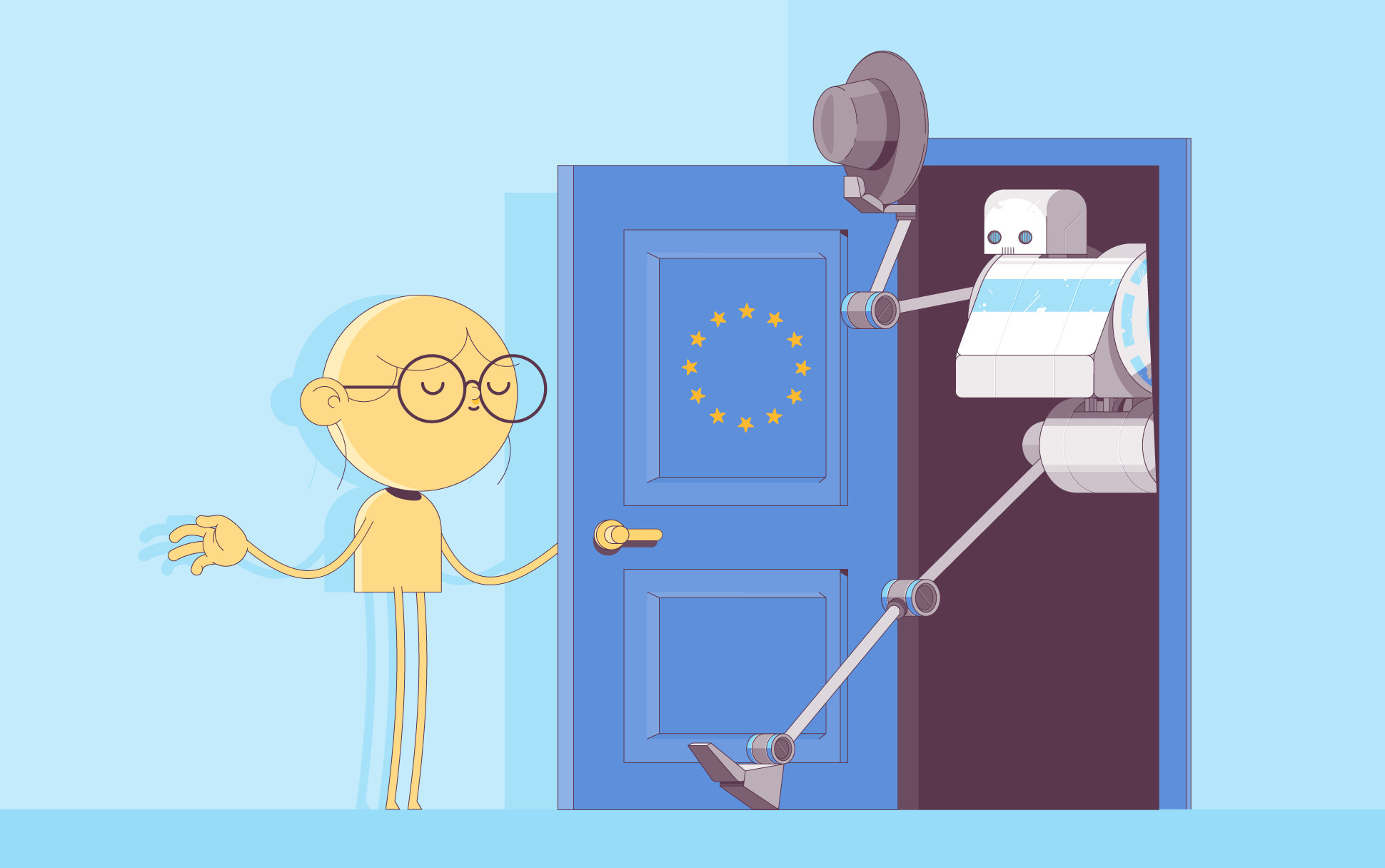
The European Commission has proposed major revisions to the General Data Protection Regulation (GDPR) and the EU Artificial Intelligence Act (AI Act). Seemingly in response to pressure from the US and big tech, Europe may soon see an easing of its tough tech regulations.
The proposal includes simplifying GDPR requirements, such as scaling back cookie consent pop-ups and easing rules around how companies can share anonymized and pseudonymized personal data. These changes would also make it easier for AI firms to use personal data for training models, provided other GDPR safeguards are met.
Many aspects of 2024’s AI Act, created to regulate high-risk AI systems with strict safeguards, will be delayed or softened. For example, the grace period for regulations governing high-risk systems that pose “serious risks” to health, safety, or fundamental rights will now be extended beyond summer 2026, when the new rules were due to come into effect. These requirements won’t be implemented until supporting standards and tools are in place. The proposal also includes broader digital law reforms, such as unified cybersecurity reporting and centralized AI oversight.
Civil rights groups and some politicians have criticized the overhaul, arguing it weakens Europe’s strong privacy and AI protections in favor of business interests. Digital civil rights group, European Digital Rights, believes that the proposal will narrow how personal data is defined by the companies, allowing for “the unchecked use of people’s most intimate data for training AI systems, and reshapes automated decision making, leading to discriminatory impacts to allow wider use with fewer limits.”
Meanwhile, big tech companies are celebrating the proposal. According to The Guardian, a spokesperson for the Computer and Communications Industry Association, whose members include Amazon, Google, and Meta, said: “Efforts to simplify digital and tech rules cannot stop here,” and that the EU’s entire digital rulebook needed a more thorough review.
The Guardian also reports that Henna Virkkunen, the commission’s vice-president in charge of tech policy, denied that the proposals were in response to US pressure. She said:
“We want to support our start ups, our SMEs to scale up their businesses to innovate in the EU,” she said. “We are not so much here looking at big industries or the very big tech companies … They have also the resources to comply with different rules.”
The plan must still be approved by the European Parliament, Council, and EU member states, where further changes are likely.

Cora is a digital copywriter for SSLs.com. Having eight years of experience in online content creation, she is a versatile writer with an interest in a wide variety of topics, ranging from technology to marketing.